Compare Local Contractors for Antique Furniture Repair Services
Compare local contractors for antique furniture repair to define project scope, verify experience, and set clear expectations before choosing the right service provider.
Antique furniture repair encompasses a range of services aimed at restoring and preserving the integrity of valuable and historic pieces. This work often includes tasks such as repairing broken or damaged wood, refinishing surfaces to match original finishes, replacing missing or worn-out hardware, and addressing structural issues that compromise stability. Skilled service providers are familiar with the delicate techniques required to handle antique materials and finishes, ensuring that repairs maintain the piece’s authenticity and aesthetic appeal.
Defining the scope of antique furniture repair is a crucial step in ensuring the final outcome aligns with expectations. Clearly outlining what needs to be repaired or restored helps property owners communicate their priorities and prevents misunderstandings. A detailed scope also provides a basis for service providers to assess the work involved and determine the appropriate methods and materials. When scope details are documented in writing, it becomes easier to track progress, manage revisions, and ensure that both parties share a common understanding of the project requirements.
Property owners seeking to compare local contractors for antique furniture repair should consider their experience with similar projects, especially with pieces of comparable age, style, and condition. Verifying a contractor’s background in antique restoration can help gauge their familiarity with traditional techniques and materials. It’s also beneficial to review the scope of work they propose, ensuring it aligns with the owner’s needs. Asking for references or examples of previous work can provide insight into the contractor’s capabilities. Comparing these aspects across multiple service providers allows for an informed choice based on expertise, approach, and the level of detail they can deliver.
Compare local contractors by outlining project priorities, verifying experience, and establishing clear written expectations.
- Compare Contractor Experience - Review the backgrounds and portfolios of local contractors to assess their expertise in antique furniture repair.
- Define Project Scope - Clearly outline the repair requirements and expectations to ensure alignment with service providers.
- Verify Qualifications - Confirm the credentials and track record of local contractors to ensure reliability and skill.
- Document Agreements - Put all project details and expectations in writing to facilitate clear communication and accountability.

Clearly describe your antique furniture repair project to help compare local contractors, define scope, and verify experience effectively.
- Verify experience with antique furniture repair to ensure familiarity with restoration techniques and materials. - Check whether contractors have a portfolio or references demonstrating previous work on similar pieces.
- Define the scope of work clearly in writing to avoid misunderstandings about repair expectations and outcomes. - Make sure service providers can provide detailed descriptions of the repair process and materials used.
- Compare multiple local contractors to evaluate their expertise, reputation, and approach to antique furniture restoration. - Look for reviews or testimonials that highlight their experience with delicate or historic pieces.
- Assess the contractor’s knowledge of antique construction methods and preservation techniques. - Ask about their process for maintaining the integrity and value of the furniture during repairs.
- Request a written estimate or proposal outlining the scope of work, materials, and any specific restoration methods planned. - Ensure all details are documented to facilitate clear communication and expectations.
- Confirm that the contractor understands the importance of preserving the furniture’s original character and historical value. - Discuss their approach to repairs that respect the piece’s age, style, and craftsmanship.
Compare local contractors’ experience and clarify project scope to ensure successful antique furniture repairs.
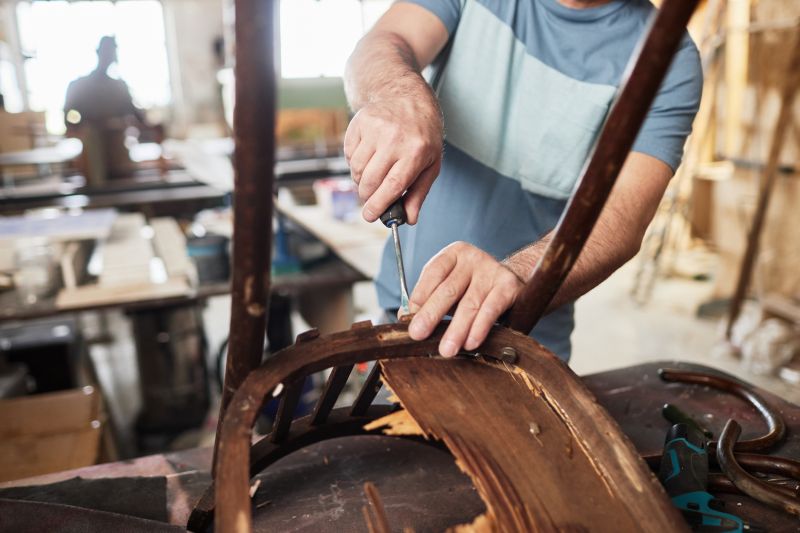
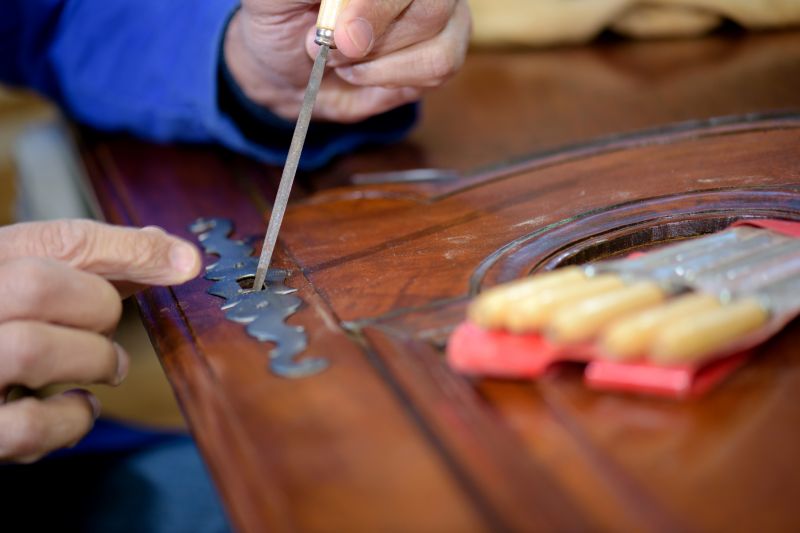
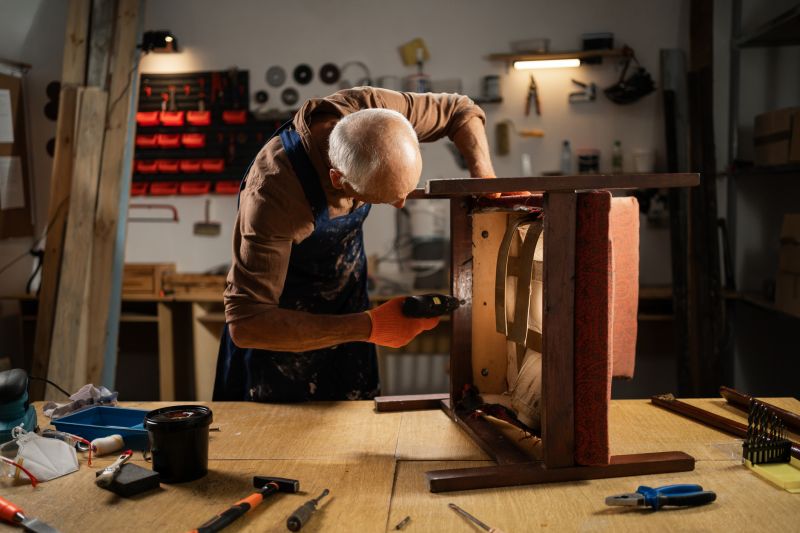
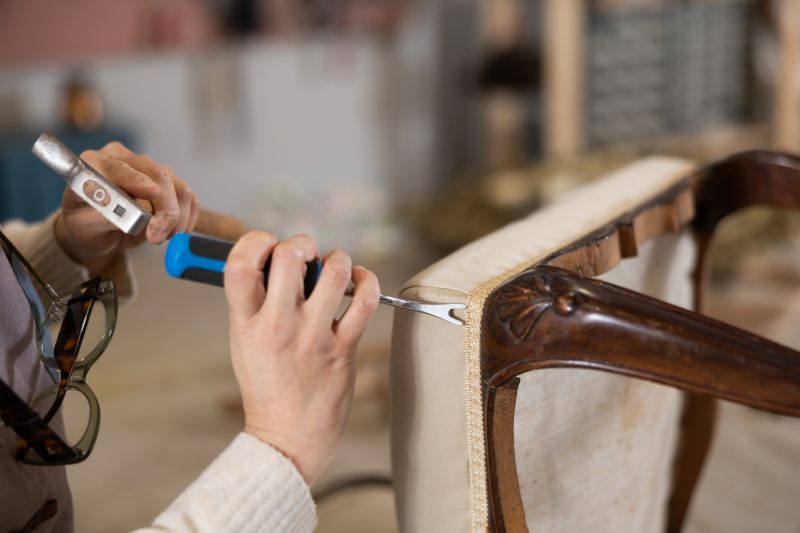
To ensure consistent comparisons, clearly define your project scope, verify contractor experience, and document expectations in writing.
- Experience and Expertise - Verify that the service providers have relevant experience in antique furniture repair.
- Scope Definition - Clearly define the specific repair needs and the extent of work required for the project.
- Material Knowledge - Ensure that local contractors are familiar with and can source appropriate materials and finishes.
- Communication and Documentation - Obtain written descriptions of the repair process, materials to be used, and project scope.
- Reputation and References - Check the reputation of service providers through reviews or references to assess their reliability and quality of work.
When evaluating contractors for antique furniture repair, it is important to consider their experience with similar projects. Service providers who have a proven track record working on antique pieces are more likely to understand the nuances of delicate finishes, historical details, and traditional techniques. Asking about their past work or requesting references related to antique furniture can provide insight into their familiarity with the specific challenges these projects present. This background helps ensure that the chosen contractor has the relevant expertise to handle your furniture with the appropriate care and skill.
A clear, written scope of work is essential when comparing contractors for antique furniture repair. This document should outline the specific tasks to be performed, materials to be used, and any techniques or finishes that are expected. Having a detailed scope helps prevent misunderstandings and sets clear expectations for both parties. When reviewing proposals or estimates, look for contractors who provide comprehensive descriptions of their approach, rather than vague or overly general statements. This clarity can facilitate a smoother repair process and ensure that the work aligns with your goals for the furniture.
Verification basics involve confirming that contractors have the necessary experience and credentials relevant to antique furniture repair. While licensing and certification are not always required, it is useful to verify their professional background through references or portfolios of completed work. Asking service providers about their familiarity with specific types of antiques, restoration techniques, and materials can help gauge their competence. Additionally, inquiring about their process for handling fragile or historically significant pieces can reveal their commitment to quality and attention to detail.
When comparing options for antique furniture repair, focus on the quality of communication, the level of detail in their proposals, and the clarity of the scope of work. Service providers who are transparent about their experience, willing to discuss their methods, and provide written documentation are often more reliable. It is also beneficial to consider how well they understand your specific needs and whether they can articulate a plan that respects the value and uniqueness of your furniture. By taking these factors into account, homeowners can make informed decisions and select service providers best suited to preserve and restore their treasured pieces.
Ask contractors to provide written descriptions of the repair scope to ensure clear understanding and consistent expectations.
- Experience and Specialization - What specific experience do local contractors have with antique furniture repair?
- Scope of Work - How will the service provider define and document the scope of the repair project?
- Materials and Techniques - What methods and materials do local contractors plan to use to ensure authenticity and quality?
- Past Projects and References - Can the service providers share examples or references of similar antique furniture repairs?
- Warranty and Written Agreement - How will the scope and expectations be outlined in a written agreement to prevent misunderstandings?
How can I compare different contractors for antique furniture repair? To compare local service providers, review their experience with antique furniture, check for references or reviews, and ensure they clearly outline the scope of work and materials to be used.
What should I consider when defining the scope of the repair? Clearly specify the furniture pieces involved, the types of repairs needed, and any restoration or preservation requirements to help contractors provide accurate proposals.
How can I verify a contractor’s experience with antique furniture? Ask for details about their past projects, request references, and look for specialists or companies known for handling antique pieces to ensure expertise.
Why is it important to get the scope of work in writing? Having a detailed, written agreement helps set clear expectations, prevents misunderstandings, and provides a record of the agreed-upon services and responsibilities.
What questions should I ask contractors about their repair process? Inquire about their techniques, materials, and experience with similar furniture, as well as how they handle delicate or valuable pieces to ensure proper care.
How do I ensure the contractor understands my expectations? Communicate your goals clearly, ask for a written plan or proposal, and confirm that all aspects of the repair are addressed before work begins.
This overview highlights the importance of comparing local contractors to find the right professional for antique furniture repair. Visitors learned how to define the scope of their project, verify the experience of service providers, and ensure that expectations are clearly outlined in writing. Taking these steps can help facilitate a smooth and well-informed selection process.
Using the quote form allows visitors to easily compare options among nearby service providers. Connecting with local contractors through this method can help gather information and find the best fit for specific antique furniture repair needs. Exploring multiple options ensures a more informed decision tailored to individual preferences.